

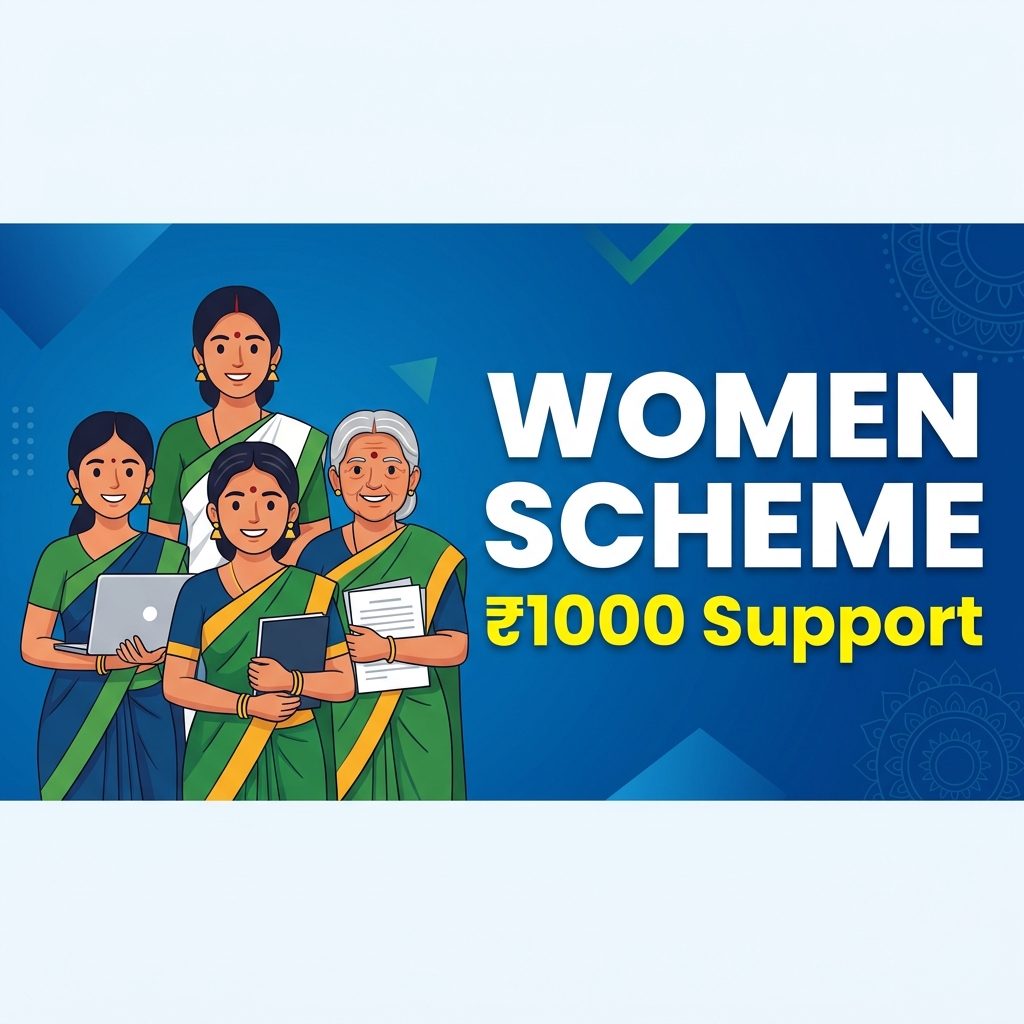
On January 9, 2026, comprehensive updates regarding the highly impactful Kalaignar Magalir Urimai Thittam (Kalaignar Women's Rights Grant Scheme) were prominently highlighted by the Tamil Nadu government. This flagship welfare initiative systematically targets women heads of households, providing them with an unencumbered financial assistance of Rs 1,000 every single month. The monetary aid is exclusively disbursed through a highly secure Direct Benefit Transfer (DBT) system, ensuring maximum transparency and completely eliminating any middlemen. To strictly qualify for this transformative scheme, applicants must confidently meet several rigorous socio-economic criteria. Beneficiaries must be permanent women residents of Tamil Nadu aged strictly 21 years and above, belonging directly to marginalized households with a combined annual income of clearly less than Rs 2.5 lakh from all sources. Furthermore, the applying family must not own more than exactly ten acres of dry land or five acres of wetland, household power consumption must remain below 3600 units annually, and no family member can own a four-wheeler. Following the massive, undeniable success of the first phase—which successfully enrolled exactly 1,13,75,492 women—the strategic second phase actively targets substantial expansion. Specifically, over 40,000 new eligible women in the Coimbatore district alone have been systematically added, seamlessly joining the existing 3.85 lakh beneficiaries in that specific region. The absolute core objective of this massive welfare initiative is to powerfully empower economically vulnerable women, actively helping them manage essential daily living expenses, fostering absolute self-reliance, and dramatically elevating their standard of living. For TNPSC aspirants, this is a top-tier topic under State Governance and Social Welfare. Understanding the exact eligibility parameters, immense financial outlays, and phased geographical expansions is absolutely critical for answering complex objective and subjective questions related to Tamil Nadu's contemporary development administration, public finance management, and gender-focused inclusive economic policies. Furthermore, tracing the impact of direct benefit transfers on rural economies remains a highly testable sub-topic for future administrative examinations.